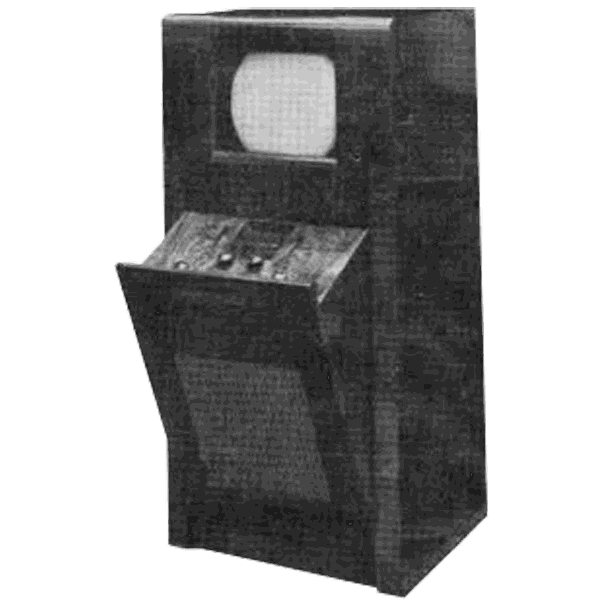
New television
7×
the price since 1937
We got so good at making these that the price barely moved. As manufacturing improves, living standards rise — but it masks the quiet erosion of our money's value.
Inflation Calculator
Money is a slippery thing. The same numbers meant something wildly different within a single lifetime. Enter your monthly take-home pay below and see what it would have bought in Britain in 1937 — then compare that with today.
It's a vivid way to feel inflation — not as an abstract percentage, but in houses, cars and loaves of bread — and a small window onto how much the ground beneath our assumptions can shift without us noticing.
Enter an amount to see what it would buy.
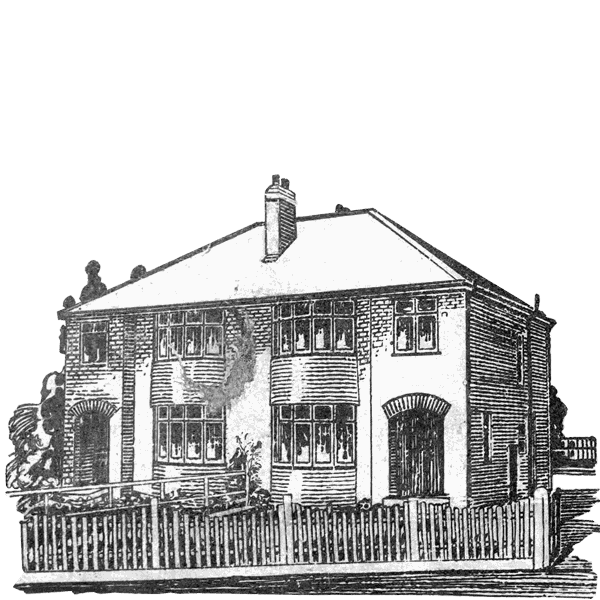
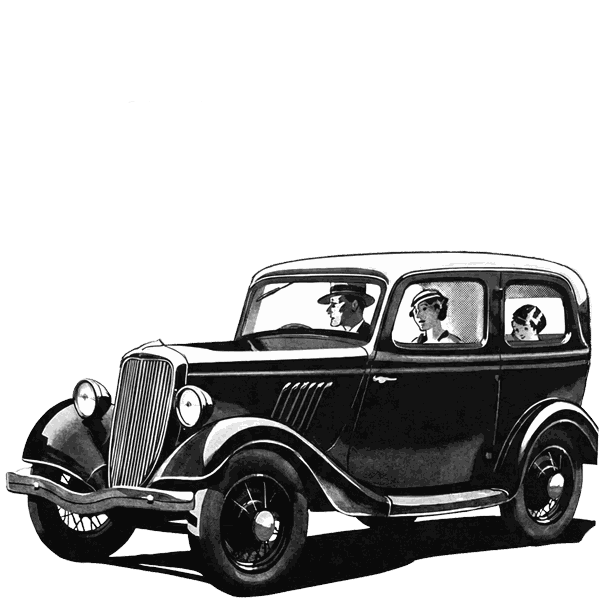
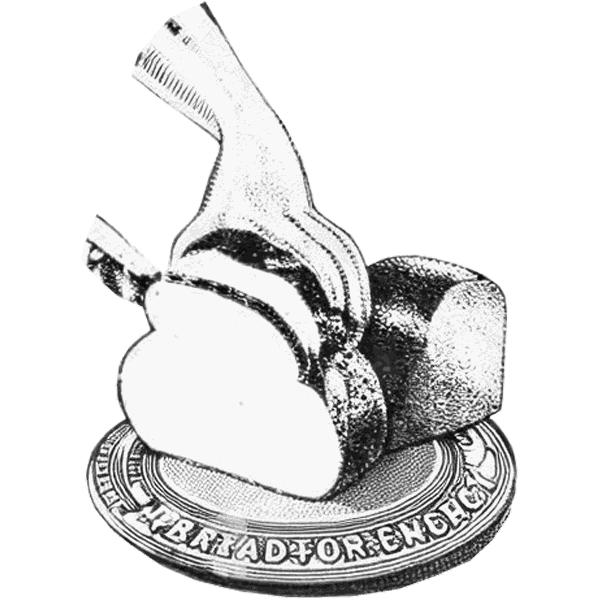
Why do the numbers diverge so wildly? Some things we learned to make cheaper. Some things we can't.
7×
the price since 1937
We got so good at making these that the price barely moved. As manufacturing improves, living standards rise — but it masks the quiet erosion of our money's value.
500×
the price since 1937
You can't mass-produce land. So housing is the truest mirror we have of the pound's real loss of value.
Measured in televisions, an annual salary of £150 from 1937 is worth about £1,000 today; in houses, about £75,000. Official inflation splits the difference near £14,000 — but that average hides the real story: money has been quietly eroded, clearest in the price of a home, even as technology raised our standard of living.
Here's the whole story on one chart. Since 1937 the average UK house has risen about 510× in price, and the money supply about 880× — the two climb together. Official inflation (RPI, the price of everyday goods) has risen only about 95×, and the population barely 1.5×. The price of houses has inflated as the money supply has been inflated.
And there's a mechanism behind it. In the modern economy, most money is created by commercial banks the moment they make a loan — and mortgages are the largest channel of all. So lending to buy a house creates new money and bids up house prices at the same time, even as population and household numbers barely shift. The two lines aren't a coincidence; they're two views of the same thing.
Whenever a bank makes a loan, it simultaneously creates a matching deposit in the borrower’s bank account, thereby creating new money. — Bank of England, Money creation in the modern economy (2014)
The same force keeps working on the money you keep. Enter roughly what you have in savings, then compare two ways of measuring inflation: the official Consumer Price Index (CPI), and the growth of the money supply — what some argue is the truer picture. Both show your savings' worth in today's money if the cash simply sits there — the same pounds, buying steadily less.
Enter your savings to see how much they'll still buy in years to come.
2.8% a year
The Bank of England targets 2%; CPI has averaged about 2.8% a year since 1988.
9.8% a year
UK broad money grew about 9.8% a year on average across 1961–2017.
Every figure is buying power in today's prices — what the money could still purchase, not how many pounds sit in the account.
The value of your money is melting away like an ice cube in the sun.
The number of pounds never changes — what they can buy quietly disappears.
Prices are representative, not exhaustive — a snapshot for illustration. Pre-decimal money converts as £1 = 20 shillings = 240 pence.
Sorry, paperbacks can't be posted to the EU right now
New customs rules mean a book sent from the UK arrives with import charges almost as big as its price. For now, please buy the paperback from Amazon, which sells it across the EU and shows any import taxes and charges at checkout:
amazon.de (Germany, opens in a new tab) amazon.fr (France, opens in a new tab) amazon.it (Italy, opens in a new tab) amazon.es (Spain, opens in a new tab) amazon.nl (Netherlands, opens in a new tab) amazon.com.be (Belgium, opens in a new tab) amazon.ie (Ireland, opens in a new tab) amazon.pl (Poland, opens in a new tab) amazon.se (Sweden, opens in a new tab)
The eBook and audiobook aren't affected. To buy either of those here, remove the paperback from your basket.