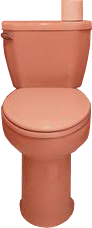
We flush away two things every day that a garden (or farm) would treasure: our urine and our poo. Sent down the toilet they become waste and pollution.
In a composting toilet, the very same output becomes fertile soil, free plant food, clean water saved, and rivers spared.
Down to business
Nudge the sliders to match your own, ahem, output, tell us how many are in your household, and see what you'd keep hold of in a year.
Set the sliders to see what a year would give back.
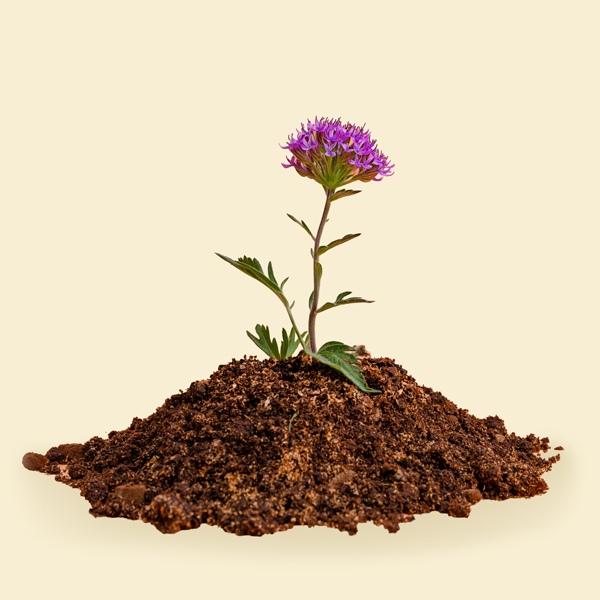
Compost heap
Compost for your garden
—of raw material a year
composts right down into rich, finished humus
What's left isn't fibrous coir or bagged multipurpose — it's rich,
peat-free, organic soil conditioner, the kind that sells for around
£16 a 30-litre bag. No peat dug from a bog, no plastic sack, no lorry.
(Exactly how much finished compost you get depends on your setup, so
we won't pretend to an exact figure.)
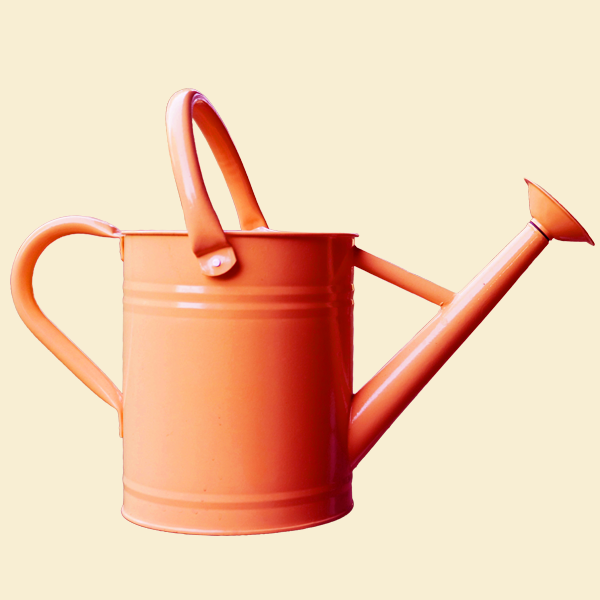
Watering can
Free liquid plant food
—of nitrogen a year
makes ~— of diluted feed≈ a — sack of general fertiliser
Urine is a near-perfect, free nitrogen fertiliser — sometimes called
"liquid gold" — diluted about one part to ten and poured on growing
plants. Synthetic nitrogen is made from natural gas; this is made from
your tea.
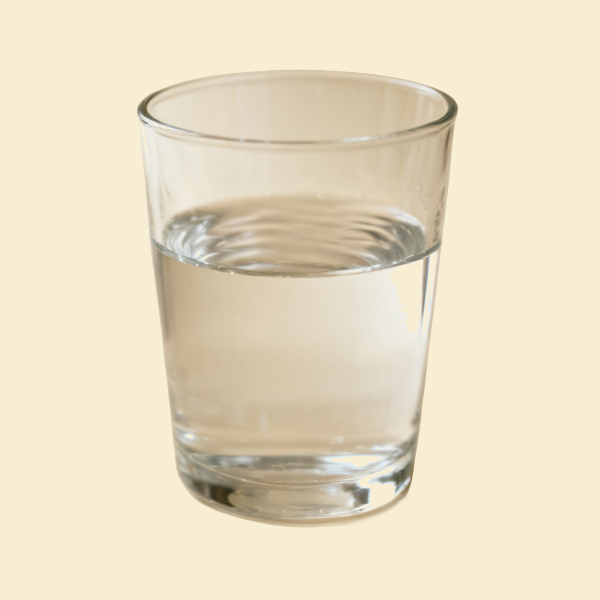
Water drop
Clean drinking water saved
—litres a year
not flushed away
Every flush sends 6 litres of treated, drinkable water down the drain —
about a third of the water used in a typical home. Even an efficient
low- or dual-flush toilet still uses several litres each time; a
composting toilet uses none at all.
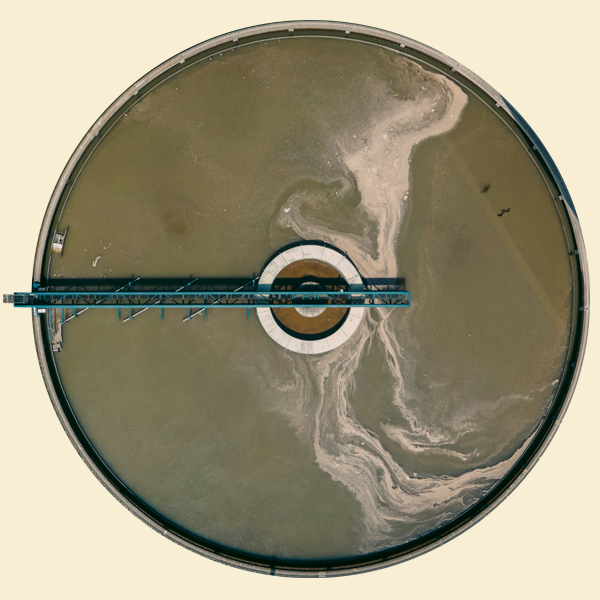
River
Sewage kept out of rivers
—litres of sewage
including ~— of river-polluting nitrogen
Urine is under 1% of what's in our sewers by volume but over three
quarters of the nitrogen — the nutrient that fuels the algae blooms
choking our rivers and seas. Keep it, and it never gets there.
Now picture everyone doing it
OK, don't actually picture them "doing" it.
Watering can~29%of the world's synthetic nitrogen fertiliser is matched by the nitrogen in humanity's urine each year
River~290,000sewage spills into England's rivers and seas in 2025 — the less we flush, the less there is to spill
Compost heap400mtonnes of solid matter a year worldwide — carbon and nutrients to rebuild farmland soil, if we returned it instead of flushing it to sea
Multiply one person by a country, or a planet, and the numbers stop being quaint and start being serious. Human urine alone carries enough nitrogen, phosphorus and potassium to replace a meaningful share of the world's synthetic fertiliser — the kind made from natural gas, at a heavy carbon cost. The solid compost is organic matter that could help rebuild the world's topsoil, which is eroding far faster than nature can replace it. The water we flush is clean, drinkable water. The nutrients we send to sea are the same ones that choke rivers with algae.
What looks like waste is, at scale, a vast misplaced resource.
There is an inherently intuitive connection to the natural nutrient cycle that forms when you start taking care of your own excreta. You eat, excrete, compost, grow, eat and repeat. It's a perfect closed loop system that enriches the local environment and your own health. I often say that if you really want to learn about circular economics, start by closing the loop on your own poop.
None of this is an argument that everyone should rip out their bathroom tomorrow (or maybe they should). There are real hurdles: the ick factor, safe composting and pathogen die-off, plumbing and building regulations, collection and processing at city scale, and public trust.
But these are design and engineering challenges, not laws of physics. We have solved harder problems. Treat human 'waste' as a resource to be designed for, and the prize is healthier soil, cleaner water and a lighter footprint.
Let's not pull the flush on the future.
Found this eye-opening? Pass it on — the more people rethink what we flush away, the sooner things change.
Where these figures come from
All figures are per person per year, based on average UK adults, and
rounded for illustration. The calculator does nominal sums client-side —
nothing you set is stored or sent. Your own output varies with diet,
drinks and health; a high-fibre, plant-based diet raises both stool
output and compost quality.
Compost: raw yearly mass from the stool-weight figure above (~47 kg a year)
Finished-compost volume varies with setup, so we show the raw yearly mass, not an invented litre figure. For context, peat-free organic bagged compost retails around £16 / 30 L.
Fertiliser equivalence: general-purpose fertiliser is ~7% N (e.g. Growmore, 7-7-7), so the "sack" figure is urine's nitrogen ÷ 0.07
Nutrient content is the standard NPK label rating for general-purpose garden fertiliser
Sorry, paperbacks can't be posted to the EU right now
New customs rules mean a book sent from the UK arrives with
import charges almost as big as its price. For now, please buy
the paperback from Amazon, which sells it across the EU and shows
any import taxes and charges at checkout: